TL;DR
- Building an indoor basketball court in the Philippines typically costs ₱15,000–₱35,000 per sqm, depending on size, materials, and specifications.
- Key cost drivers include roofing (yero), flooring, and ventilation systems — overlooking these can lead to higher maintenance costs later on.
- Investing in ventilation and humidity control prevents damage like rust, slippery floors, and mold.
- With proper maintenance and design, indoor courts can last 20+ years with minimal repairs.
Case Study: A Homeowner’s Dream Court in Cavite
To give you a clearer picture, here’s a realistic scenario based on a typical project we encounter.
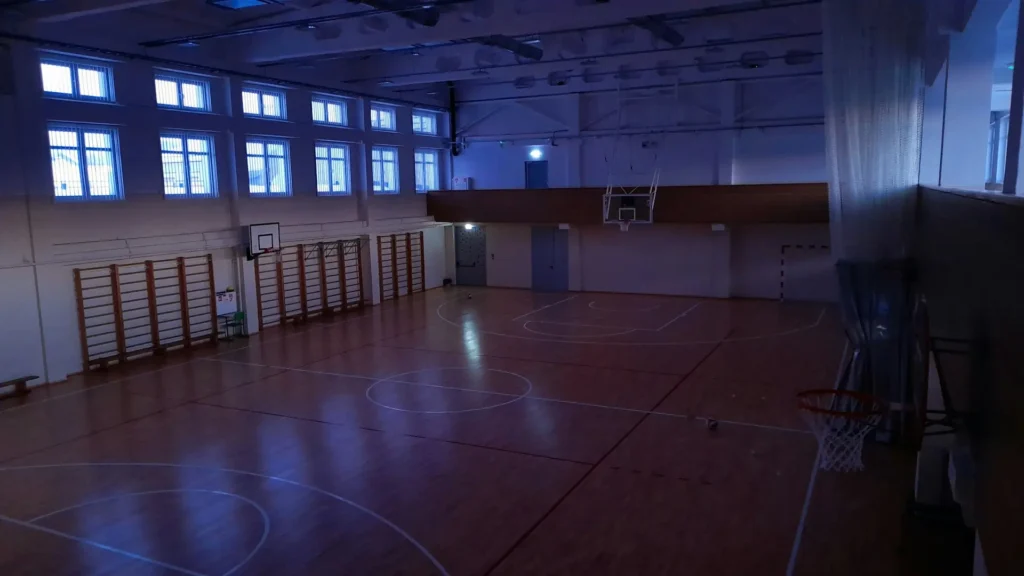
- Lot size: 300 square meters
- Court structure footprint: ~200 sqm
- Structure: Steel frame with full roofing, three-wall enclosure, and polished concrete flooring
- Ventilation: Cross-ventilation with oversized louvers and four industrial ceiling fans
- Lighting: LED floodlights with energy-efficient switches
- Unique features: Retractable ring system and painted game lines for basketball and volleyball
- Final Cost: ~₱6.5M (200sqm x around ₱32,500/sqm)
- Timeline: 5 months, including permits and dry-season scheduling
Cost Breakdown: What Makes Up the Budget?
Indoor courts come in different shapes, sizes, and price tags. Here’s a sample breakdown based on a mid-range indoor court:
| Item | % of Total Cost | Description |
|---|---|---|
| Structural Framing | 30% | Includes steel columns, trusses, purlins, and yero roofing. This is where choosing the right material matters — especially under our tropical climate. Check out our Yero Buying Guide to compare profiles, thickness, and coatings. |
| Flooring System | 20% | Options range from plain concrete to synthetic tiles or wood — each affecting grip, aesthetics, and ball response. |
| Ventilation & Cooling | 15% | Crucial in preventing rust, floor damage, and health issues. Includes exhaust fans, passive vents, and ceiling fans. |
| Lighting & Electrical | 10% | Proper court lighting improves visibility and safety. Energy-efficient LEDs are the go-to for long-term savings. |
| Labor & Installation | 15% | Skilled labor ensures proper leveling, framing, and finish work. Mistakes here often cost more to redo later. |
| Permits, Drainage & Misc | 10% | Don’t forget LGU permits, utility tie-ins, and stormwater solutions — especially in flood-prone areas. |
Estimated Cost for a Basketball Court
| Specification | Estimated Cost per Sqm | Notes |
|---|---|---|
| Basic Build (Outdoor) | ₱15,000–₱20,000 | Open-air court with slab floor and yero roofing |
| Mid-Range | ₱25,000–₱30,000 | Partial enclosure, LED lighting, basic ventilation |
| Premium | ₱35,000+ | Full enclosure, synthetic flooring, HVAC, customization |
Why Build an Indoor Basketball Court?
Whether you’re a basketball-loving homeowner or an engineer developing for a client, indoor courts offer a game-changing advantage — year-round usability. No more cancelled games due to rain or slippery floors.
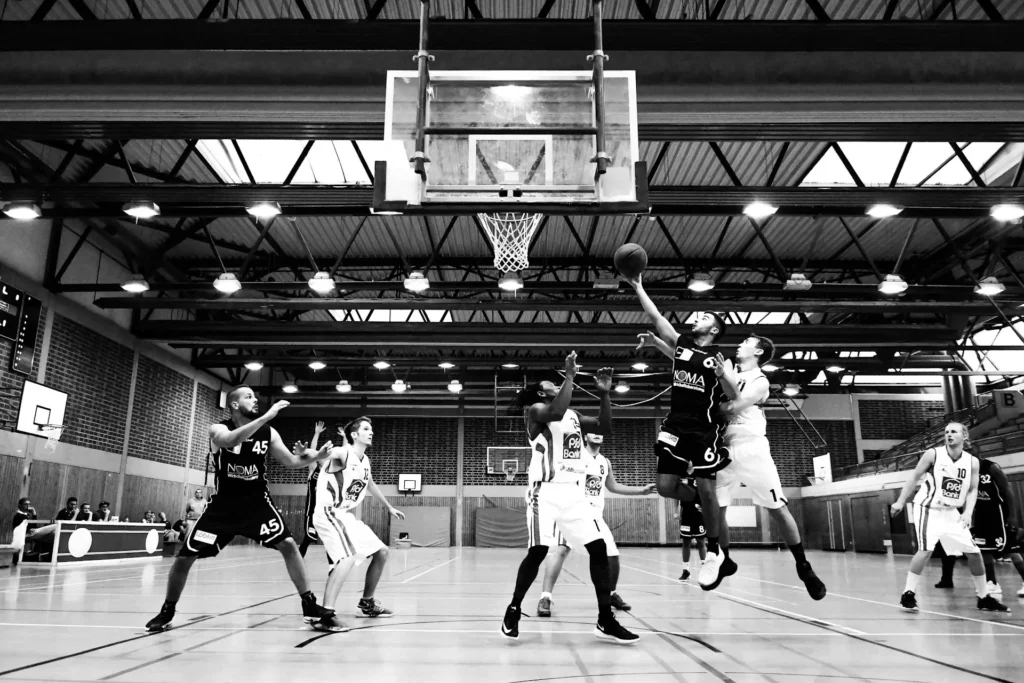
We’re seeing more homeowners integrate indoor courts as a way to combine fitness, family bonding, and even neighborhood engagement. For professionals, these courts are an investment — either as part of a sports facility, a subdivision amenity, or a multi-purpose covered space that adds long-term value.
Why Ventilation and Moisture Control Matter?
This is one area that’s often underestimated — until the court starts smelling musty or the floors feel sticky.
In a tropical climate like ours, trapped humidity inside a roofed structure is your court’s worst enemy. It leads to:
- Mold growth on walls and ceilings
- Rust on steel framing and rings
- Warped floors (especially wood or vinyl)
- Slippery surfaces that pose a safety hazard
What You Can Do:
- Use passive ventilation (high vents, louvers, wall gaps)
- Add exhaust or ceiling fans for consistent airflow
- Consider open-air designs on two or more sides if you’re in a rural or breezy location
- Include provisions for future split-type AC or humidity sensors if you plan to enclose it fully later on
Maintenance: What Builders Don’t Always Tell You
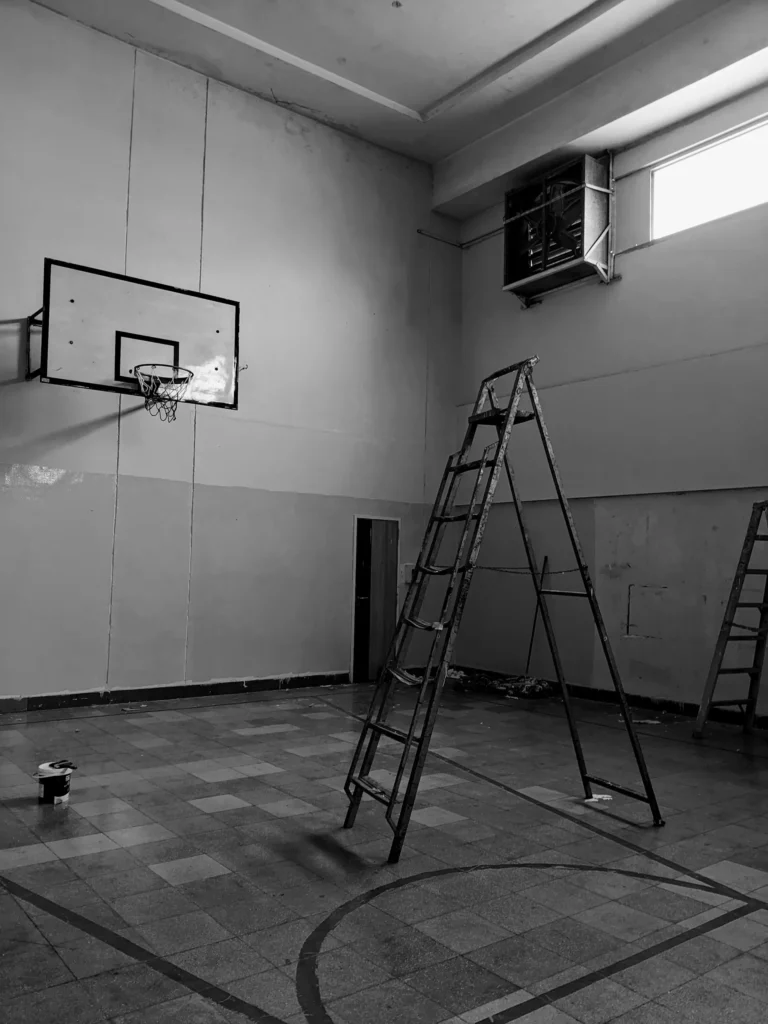
You’ve built it. Now what? Maintenance is the real hidden cost of indoor courts, and knowing what to expect helps you plan better.
Maintenance Tips:
- Floor resurfacing every 2–5 years depending on use (especially for painted or coated surfaces)
- Roof inspections annually, particularly for leaks or rusted yero overlaps
- Line repainting to keep games accurate and courts looking pro-level
- Ventilation fan servicing — fans clogged with dust lose effectiveness fast
- Clean drainage regularly to avoid water ingress, especially in sloped lots
Final Thoughts: Build Smart, Play Longer
Indoor basketball courts are a serious investment — but done right, they add massive value to your home or property. The key is to plan for performance and longevity. That means:
- Smart ventilation
- Durable materials like steel framing and roofing
- And proactive maintenance strategies
We’ve seen clients use their courts not just for play, but for family gatherings, weekend leagues, even revenue-generating rentals.
Let’s Build Your Court
Whether you have a rough sketch or just an idea, we can help you turn it into a complete indoor court — designed for the Philippine climate, your lifestyle, and your budget.
Message us today for a free design consultation. Let’s build something that lasts — and plays well for decades.
Leave a Reply